Nuestra Mesa: Para este Día de Muertos, Tamales de Queso y Chile

Foto: Manuel Rivera Por: Aldo Saavedra
Entre los diversos platillos que forman parte de la celebración de Día de Muertos, están los populares tamales. En cada región de México, a este platillo se le “da vida” de diferente manera, incorporando masas, rellenos y procedimientos distintos.
En el Valle de Santiago, por ejemplo, entre las comunidades otomíes que ahí radican, descubrimos unos tamales únicos de intenso sabor y preparación sencilla. Servidos durante los velorios para alimentar a los que acompañan a los dolientes, y preparados nuevamente para celebrar el Día de los Fieles Difuntos, estos tamales están hechos con ingredientes y utensilios endémicos, entre ellos el tequesquite, una piedra de sal que emerge en las zonas acuosas después de la época de lluvias. El tequesquite se usa como sazonador, o bien se le agrega a la masa de maíz para inflar los tamales y darles textura. Aquí, les comparto la receta.INGREDIENTES:
- 1 kg de masa de maíz.
- 250 grs de manteca de cerdo.
- La cáscara de 10 tomates
- 1 cda de polvo para hornear (para remplazar al tequesquite que se usa originalmente)
- 4 piezas de chile ancho sin semilla.
- 300 grs de queso añejo.
- Sal
- Cantidad necesaria de agua.
- 20 hojas de totomoztle (hoja de maíz)
PROCESO:
- Pon cocer las hojas de tomate en agua. Si vas a usar tequesquite, pónlo a hidratar previamente en un vaso de agua para que suelte la tierra. Posteriormente añade esta agua al recipiente donde hervirán las cascaras de tomate, cuidando de no vaciar el fondo. Hierve ligeramente. Reserva.
- Pon las hojas de totomoztle a remojar.
- Remoja el chile bien desvenado en agua durante una media hora, escurre. Muele en metate alternando con el queso. Si no tienes metate, usa el procesador de alimentos cuidando que no queden cascaras grandes. Mezcla con el queso hasta formar una pasta homogénea y reserva.
- Agrega sal a la masa, manteca de cerdo y en caso de que no tengas tequesquite, añade el polvo para hornear. Mezcla hasta que se integren todos los ingredientes.
- Añade poco a poco el agua de los tomates hasta que la masa se desprenda de la superficie donde se está trabajando, no es necesario agregar toda el agua.
- Escurre las hojas de totomoztle.
- Arma los tamales agregando en una hoja un poco de la masa, extendiéndola por la hoja y al centro el relleno. Envuelve doblando firmemente y coloca los tamales acomodados en una vaporera, paraditos, con las puntas hacia arriba
- Cocina durante 1 hora o hasta que estén bien cocidos. Sabrás que los tamales se cocieron bien, cuando el tamal se desprende con facilidad de la hoja.
Nota curiosa: En algunas zonas del país se acostumbra dar la bendición a la olla para que se cocinen bien los tamales, pero en Santiago Mezquititlán, se ponen dos chiles guajillos formando una cruz en el fondo de la vaporera. Se cree que de esta forma, las personas que andan cerca y alcanzar a oler lo que se prepara, no impedirán, con su antojo, la buena cocción de los tamales.
 El chef Aldo Saavedra ha cocinado para huéspedes de establecimientos como el conocido Hotel Condesa D.F. y ha contribuído con sus recetas en proyectos con marcas de la talla de Larousse y Danone. En Nuestra Mesa, el chef Saavedra comparte con los lectores de La Vitamina T, su pasión por la cocina y por México. Encuentra más información sobre el chef Saavedra en México de mis Sabores.
¡’Biba’ México! The Zeal Behind Mexico’s Pasión Biba (The First in a Series)

Photo Credit: Pasión Biba From the Series “World Class: Mexican Wine and the Hands who Make it”
Photos: Enrico Bellomo/Brenda Storch
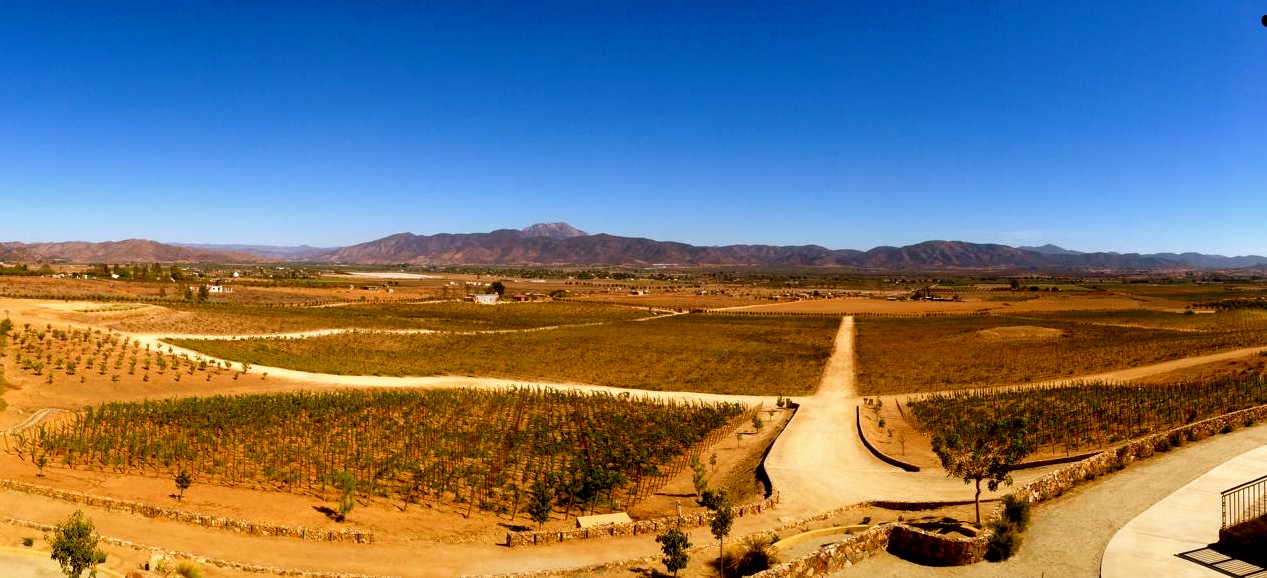
I became fascinated by Valle de Guadalupe’s cuisine while following the recent opening of Lozhka Bistrot, a partnership between Pasión Biba’s Abel Bibayoff and celebrated chef José Bossuet. It was not until I spoke with Chef that I realized this prosperous little town, barely two hours south of San Diego, had been colonized by a group of Eastern European immigrants known as Molokans. In the early 1900s, fifty Molokan families fleeing from the Russian Orthodox Church sought refuge in this idyllic town. Serendipitously, while the Mexican government granted the colonizers permission to establish themselves and to own land, the story of Mexican wine found a way to not “die on the vine.”
Gratefully.
Aside from tending to grapes and making wine, the new settlers introduced commodities that included geese, beehives, grains, cooking and farming techniques. Molokans forever changed the phenotype of Valle de Guadalupe, including its gastronomy.

Lozhka Bistrot is a brilliant, almost poetic summary of what this town is about- a contemporary, singular take on double the fusion (novo-Hispanic cuisine with Russian influences) where dual identities abound. Visitors of Valle de Guadalupe will be equally delighted with airy Molokan bread, and pan dulce.
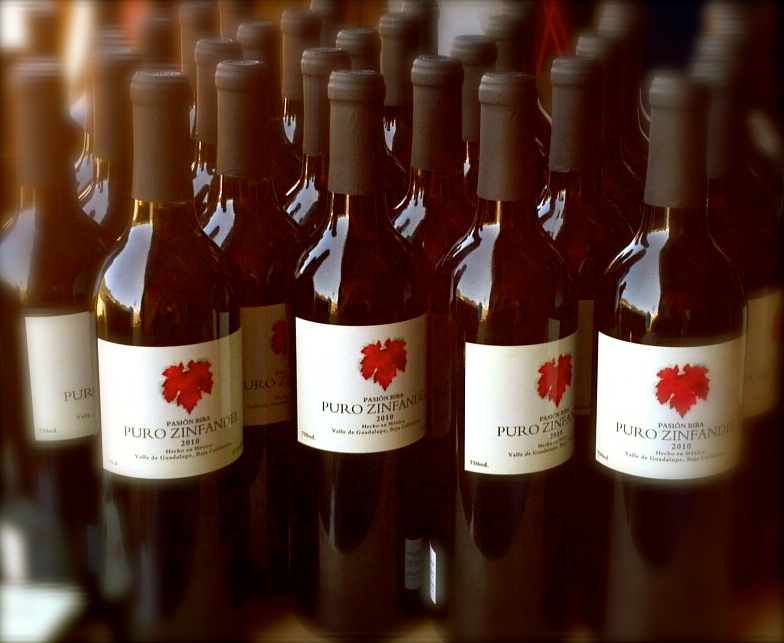
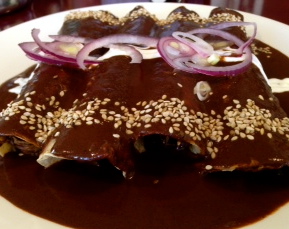
At Lozhka, for example, I had the most memorable duck enmoladas. Bossuet explained the protein is a nod to the use of geese favored by Molokan settlers, replacing the more traditional use of chicken in this dish. If you visit Lozhka, Chef recommends pairing this glorious plate with Pasión Biba’s Zinfandel 2010.
During my stay, I heard the story of a lady who makes tamales out of Varenyky dough. I could not confirm whether or not this is just an urban legend, but after all, this is Mexico. Here, anything is possible.

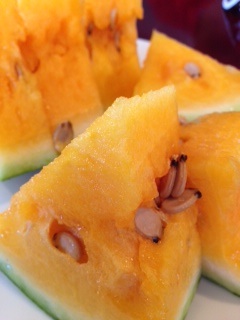
Duck Enmoladas at Lozhka Bistrot Among a host of delicacies that words will only fall short to describe, I was treated to the most unforgettable compote made with yellow watermelons and freshly-picked tomatoes.

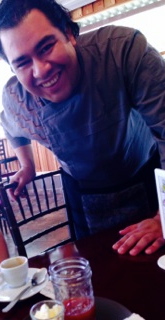
Chef Bossuet and one of his irresistible creations: watermelon and tomato compote. Farm-to-table is Valle de Guadalupe’s bread and butter. Many of the vineyard owners have partnered with well-renowned chefs to offer a complete culinary experience. Thanks to this effort, the collection of elevated eateries in this area is a true gem.

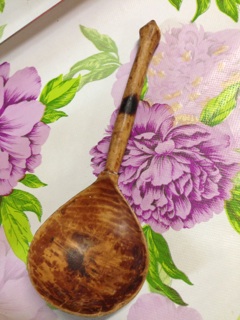
Freshly harvested yellow watermelon finds a way to your table (and your heart) at Lozhka Bistrot. Past and future juxtapose in every detail- Lozhka means ‘spoon’ in Russian and the name of the restaurant is an homage to Abel Bibayoff’s grandfather Alexei, one of the Molokan founders of this town. In the halls of the family’s small museum, where handmade ‘loshkas‘ lie close to a few samovars, we see the next generation of Bibayoffs happily sleeping in a baby carriage.
It is very clear that tradition is a lifestyle for the Bibayoff family- it is tangible matter. It is alive. Viva.
Alexei Bibayoff’s Spoon or “Lozhka”. After having the good fortune to be guided (by none other than Abel Bibayoff himself) through the process in which vines are coaxed into grapes and then turned into wine, the name of his label, “Pasión Biba” resonates. This play on words, which phonetically means “live passion”, says it all.

Pasión Biba’s Abel Bibayoff There are years of character, generational zeal and know-how in his wine. Each drop is nurtured, loved, intimately known. If it were possible, each would have a name that over and over again, would translate into ‘passion’. In every drop, Pasión Biba.
¡Biba México!
Lozhka Bistrot is open Wednesdays – Mondays 1o:00 AM to 6:00 PM
Learn more about Pasión Biba< Prior Article in the Series: World Class: Mexican Wine and the Hands who Make It
>Next Article in the Series: AlXimia: The Art and Science of Extraordinary Wine

How to get there:

Map courtesy of Pasión Biba. World Class: Mexican Wine and the Hands who Make It (Introduction to a Series)

Photo: Enrico Bellomo Mexico has been producing wine since the 16th century. Legend tells of Hernán Cortés demanding that grapevines be brought to the Nueva España to be grown after the Spanish wine supply was depleted during the celebration of the defeat of the Mexica empire. In an interesting turn of events, Mexican wine happened to be so good, that the Spanish Crown banned its production other than for liturgical use.
In 1843 Dominican priests from the Nuestra Señora de Guadalupe del Norte mission, discovered that superior quality grapes faired well in the valley’s mediterranean microclimate. Today, 90% of all Mexican wine is produced in this area. Sadly, not many Mexicans drink it.
We are back from a visit to what is known today as Valle de Guadalupe, México’s wine country. We were drawn by Lozhka Bistrot, the most recent project by beloved Mexican gastronome Chef José Bossuet, and Pasión Biba’s Abel Bibayoff. Our gracious hosts delighted us with a tour featuring a variety of wineries where the production ranges from artisanal to massive.
The time we spent with the winemakers left a lasting impression- a shapshot of the Mexico only a few have a chance to palate. From mathematicians, to astronomers, enologists, plastic artists and restaurateurs, the people behind the wine that is produced in Valle de Guadalupe explains why this wine is so extraordinary. Here, passion runs deep, as does a profound, almost spiritual commitment to making the best wine. Every time.
In the upcoming weeks we will be writing a series based on our experience at each winery: Pasión Biba/Bibayoff, Alximia, Torres Alegre and Las Nubes. This is our humble tribute to remarkable wine and to the hands who make it.
Next articles in the series:
> ¡´Biba´México! The Zeal Behind Mexico´s Pasión Biba
>AlXimia: The Art and Science of Extraordinary Wine
Estampas de Mi Ciudad – The Ubiquitous Street Quesadilla Stand

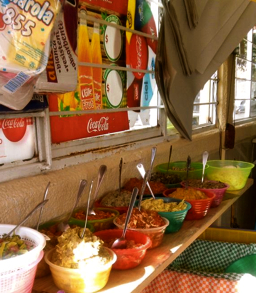
Street Quesadilla Stand Photo: Guillermo Chan – Mexico City A sampling of Mexico´s mestizo nature in a bite, (the fusion concept of a quesadilla already combines the Spanish word for “queso” with the Aztec word “tortilla“) try a chorizo and cheese quesadilla. More pre-Hispanic stuffings include flor de calabaza (zucchini blossoms) or huitlacoche (corn fungus). The latter might not sound too terribly appealing, but trust me, there is a reason why Mexicans have consider it a treat for centuries.
You will never go hungry in Mexico City, where quesadillas, sopes and other garnachas* are easily found street-side and served either as a snack or a meal. Filled with a variety of stuffings ranging from flowers and vegetables, to meat and even insects, these portable pockets of pure joy are a staple of any modern Mexican meal.
*Garnachas: Slang term for comfort-food, usually made out of corn on a comal.
Quesadilla: More than Cheese Meets the Tortilla
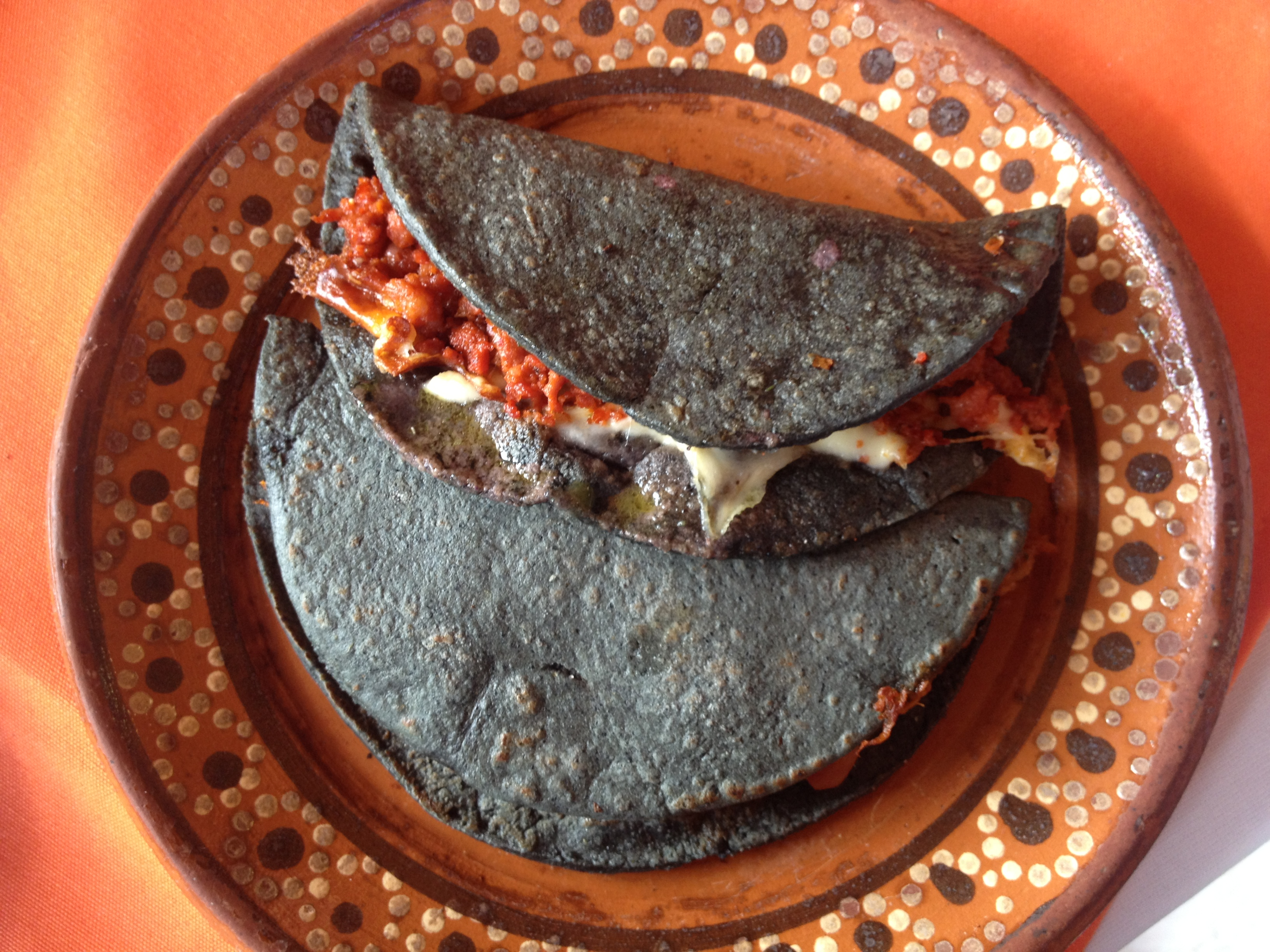
Delicious quesadillas made with blue-corn tortillas materialize right in front of patrons’ eyes in La Marquesa, Mexico. Photo: Lissette Storch You will never go hungry in Mexico City, where quesadillas, sopes and other garnachas* are easily found street-side and served either as a snack or a meal. Filled with a variety of stuffings ranging from flowers and vegetables, to meat and even insects, these portable pockets of pure joy are a staple of any modern Mexican meal. Given the apparent simplicity of their execution, it would be easy to assume that quesadillas are predictable and uninteresting, but skilled artisan hands bring these delicacies to life in such way, that defeños** will consider traveling to indulge in a perfect one. La Marquesa, a national park west of Mexico City, is a popular weekend getaway as well as a quesadilla haven. Here, locals and visitors are able to choose from a multitude of establishments offering a variety of quesadillas among other local delicacies that include trout and even rabbit.
For a sampling of Mexico´s mestizo nature in a bite, (the fusion concept of a quesadilla already combines the Spanish word for “queso” with the Aztec word “tortilla“) try a chorizo and cheese quesadilla. More pre-Hispanic stuffings include flor de calabaza (zucchini blossoms) or huitlacoche (corn fungus). The latter might not sound too terribly appealing, but trust me, there is a reason why Mexicans have consider it a treat for centuries.
If you are in Mexico City and the foodie in you wants to venture to La Marquesa, we recommend making a day trip out of this culinary excursion. Consider hiring a reputable cab company to drive you to and from the food area. La Marquesa is about an hour away from downtown Mexico City.
*Garnachas: Slang term for comfort-food, usually made out of corn on a comal.
**Defeño: A citizen of Mexico City.
Pilsen y su Calle 18: Una Puerta Dimensional a México en Chicago
Si estás en Chicago y te da un ataque de nostalgia, o si estás de visita y quieres descubrir un lugar diferente dentro de la ciudad, a sólo 5 kilómetros al sureste del “Loop” se encuentra el barrio de Pilsen. Fundado por colonizadores de Europa del este a fines del siglo XIX, Pilsen fue nombrado en honor a la cuarta ciudad más grande de Checoslovaquia. No fue sino a principios de 1960 que la comunidad hispana empezó a hacer de Pilsen su casa. Ya para los 70, Pilsen era, como les hoy, una colonia muy diversa y predominanemente hispana.
Virtualmente un museo al aire libre, quien visita Pilsen podrá descubrir una serie de murales que sirven como vehículo para el discurso social. Exilio, lucha e identidad son los mensajes predominantes de esta expresión de arte urbano. Si prefieres un museo intramuros, no te pierdas el Museo de Arte Mexicano. La entrada es gratuita.
La calle 18 es una puerta dimensional a una serie de negocios que van desde restaurantes, panaderías, dulcerías, hasta peluquerías. ¿Quieres pan como ese que probaste en las ferias de Acámbaro? Aquí lo encuentras. Estos personajes llegaron como recetas en los morrales de artesanos michoacanos y aquí se hicieron pan.
Y si en tu paseo te da hambre, acuérdate de visitar Carnitas Uruapan, donde encontrarás desde chicharrón, hasta quesadillas de sesos y ensalada de nopales. Pasa a saludar al Güero Carbajal y díle que te recomendó tu amiga Brenda Storch de La Vitamina T.
Estampas de Mi Ciudad – If Life Gives you a Cactus, Make Salsa

Photo: Manuel Rivera If you are in Mexico, chances are that you will find cacti in your dish. As surreal as it may seem, Cacti have been an element of Mesoamerican cuisine since pre-Columbian times. Nopales and tunas, also known as “prickly pear cactus” and “prickly pear fruit” in the US, can be easily found today as an ingredient in sweet and savory dishes and drinks ranging from tacos to sherbet. The jiotillas or xoconostles in the picture, for example, can be turned into a smoothie or a refreshing drink.
Find a delicious recipe for a salsa made with this fascinating and healthy ingredient, here.
Nuestra Mesa – Empanadas de Plátano Macho*

Foto: Manuel Rivera Las empanadas deben su moderna popularidad a los colonizadores españoles y portugueses, quienes las introdujeron a lo largo y ancho de América Latina y otras colonias. En México, la selección de empanadas que forman parte del acervo culinario popular, incluye una variante de raíces inglesas: los pastes. Famosos en el estado de Hidalgo, este plato encuentra su origen en los cornish pasties, mismo que fue introducido al país por mineros británicos.Adaptadas para reflejar los sabores e ingredientes de donde quiera que vayan, las empanadas son una encarnación local de este concepto español. Hoy, el chef Aldo Saavedra, nos trae una receta para hacer unas deliciosas empanadas rellenas de México.
Rinde para 20 piezas
Ingredientes:
- 1 kg de plátano macho maduro
- 30 ml de vinagre blanco
- 4 cdtas de azúcar.
- 300 gr de harina de trigo
- Sal y pimienta al gusto
- Frijoles negros refritos
- Epazote
- Queso panela
Procedimiento:
1- Lava los plátanos, haz unos pequeños cortes a la cáscara (3 ó 4 por pieza).
2- Pon agua a hervir (la cantidad que sea suficiente para cubrir los plátanos). Agrega el vinagre y el azúcar, y los plátanos. Después de que suelte el hervor, cuenta 5 minutos.
3- Retira. Escúrrelos y pela los plátanos en caliente.
4- Machaca los plátanos haciendo un puré que sea lo más fino posible. Incorpora la harina, sal y pimienta. Mezcla bien.
5- Deja enfriar. Refrigera durante 2 horas.
6- Saca la mezcla del refrigerador y forma pequeñas bolas con la mezcla. Prensa con una prensa para hacer tortillas cuidando que la empanada no quede muy delgada.
7- Rellena con una cucharadita de frijoles, un pedazo de queso y una hoja de epazote. Cierra la empanada y pónla a freír hasta que tome un color dorado.
8. Escurre, sirve y disfruta.
* En México, el plátano macho es un plátano más grande que el común y no puede comerse crudo. En otros países se les conoce como hartón o maduro. En Estados Unidos es similar al ¨green plantain¨.
 El chef Aldo Saavedra ha cocinado para huéspedes de establecimientos como el conocido Hotel Condesa D.F. y ha contribuído con sus recetas en proyectos con marcas de la talla de Larousse y Danone. En Nuestra Mesa, el chef Saavedra comparte con los lectores de La Vitamina T, su pasión por la cocina y por México.
La Vitamina T Wins 2014 YolotlMetzli Award!

Thank you friends and readers for nominating La Vitamina T for the Yolotmetztli Award granted by the Binational Institute of Human Development. I feel incredibly honored and absolutely privileged to be recognized for doing what I love most: creating awareness for one of Mexico’s most delicious and fascinating treasures, its food.
The more I talk about food, the more I find it a particularly powerful element of national identity. Food gives us a common ground (we eat, therefore we exist), and while food makes us different, it also makes us the same.
Perhaps through this interactive art form, we can find understanding and love for the people who bring it to life.
To find more information about this event or to RSVP, click here.
In Mexico, Mole Means Fiesta

Photo credit: Brenda Storch Very few words say “fiesta” and “Mexico” as loud and clear as “mole” does, particularly in the countryside, where this traditional dish is served during important celebrations such as weddings and christenings. Its preparation, as much as its enjoyment, both constitute a time of bonding.
Mole has permeated the vignettes and meanings that make up our culture to such degree, that in fact, in Mexico, the phrase, “huele a mole” (it smells like mole) is used as a way to hint at the likelihood of a wedding taking place in the near future. When someone says, “eres ajonjolí de todos los moles¨ (you are like sesame seed sprinkled in every mole), it means that the person is a social butterfly.
Aside from seasoning our language, mole seasons life through its variety of executions, all just as proud and artisanal. Whether Pueblan, Veracruzan or Oaxacan, this rich sweet and spicy sauce is always as intricate and proud as the hands that prepare it.
Recently, we posted a recipe for , and today, chef Jason Rivas shares with our readers how he brings mole to life in his home in California. ¡Buen provecho!

About chef Jason Rivas: Born and raised in California, but southwestern at heart, his passion for food started at a very early age when he used to eat snails in his backyard. Trained in classical French cuisine, while attending the Scottsdale Culinary Institute, he was able to learn a new way to apply his creative, artistic side. After graduation, Rivas spent an additional four years in Phoenix learning the finer points of southwestern cuisine, and then traveled from coast to coast before settling in the Southern California wine country. Here, he discovered the true value and impact of food and wine (in his words,”wine and food, rather”). Find more about chef Rivas on his website: dinnerbyJR.wordpress.com

 El chef Aldo Saavedra ha cocinado para huéspedes de establecimientos como el conocido Hotel Condesa D.F. y ha contribuído con sus recetas en proyectos con marcas de la talla de Larousse y Danone. En Nuestra Mesa, el chef Saavedra comparte con los lectores de La Vitamina T, su pasión por la cocina y por México. Encuentra más información sobre el chef Saavedra en